Tank vs. Tankless Water Heaters: Which Is Best for Coastal South Carolina Homes? | tankless water heater myrtle beach
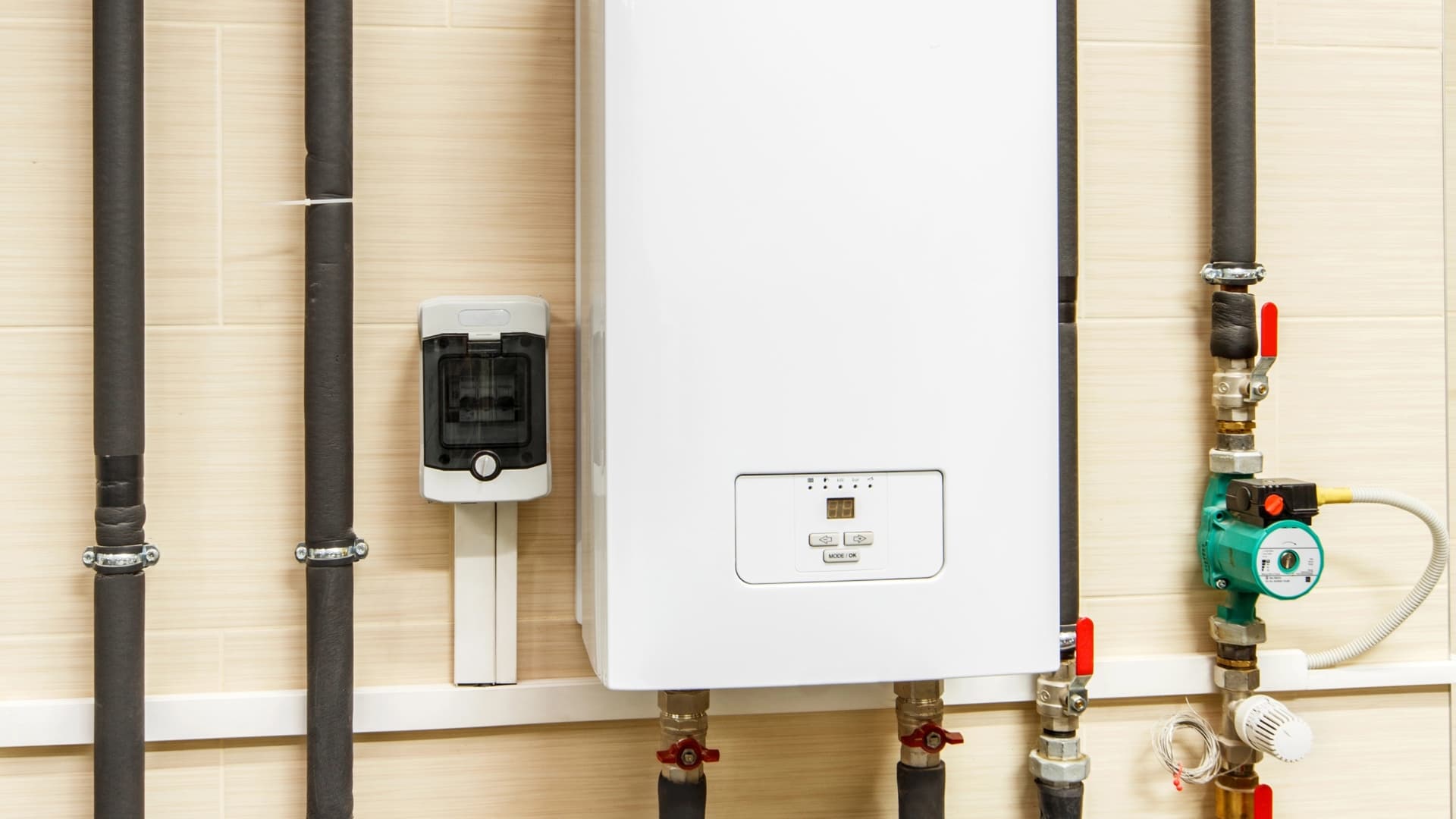
If you live along the Grand Strand, choosing between a traditional tank and a tankless water heater affects your comfort, energy use, and peace of mind. Many Myrtle Beach homeowners ask which option handles salt air, sand, and seasonal demand best. This guide compares efficiency, maintenance, lifespan, and coastal factors so you can decide with confidence. For a deeper dive into how on-demand systems work and what to expect during installation, explore our tankless water heaters overview.
Energy Efficiency In Myrtle Beach Homes
Think of a tank like a kettle that keeps water hot all day. Even when no one is showering, it loses heat to the surrounding air. A tankless unit works more like a smart faucet that heats water only when you turn it on. That on-demand design often cuts wasted energy for households with steady but not constant hot-water use.
Coastal homes see swings in occupancy. Summer brings guests, outdoor rinses, and back-to-back showers. In these bursts, a right-sized tankless can deliver continuous hot water without reheating a full tank. Tank models can be efficient too when paired with proper insulation and temperature settings, but they still cycle to maintain heat, which adds standby loss in garages or utility rooms that run warm and humid near the beach.
Hot Water Performance And Comfort
Performance depends on flow rate and inlet water temperature. In winter, cooler inlet water along the coast means a tankless unit must work harder to raise temperature to your setpoint. Proper sizing and fuel type help. Gas-fired tankless systems typically support higher flow for simultaneous showers and laundry. Electric tankless models can be a fit for smaller condos or accessory spaces with modest demand.
Tank heaters store hot water for quick draws like handwashing. After heavy use, recovery time matters. If three beach showers run back to back, a smaller tank may need a breather to reheat. With a correctly sized tankless, you do not “run out,” but there can be a brief wait for hot water to reach distant faucets. A recirculation strategy can reduce that wait, which we cover below.
Maintenance Needs In A Coastal Climate
Salt air and minerals are tough on any water heater. Tank systems rely on an anode rod to protect the tank lining. In coastal conditions, that rod may deplete faster. A simple inspection schedule helps you avoid surprise leaks. Tankless systems need periodic descaling and filter cleaning to maintain efficiency, especially if your home has hard water or sediment after storms.
Skipping annual maintenance shortens system life and can void manufacturer warranties. Work with a local pro who knows how ocean air, garage placement, and ventilation affect corrosion. A whole-home filter or softening solution can reduce scale that clogs heat exchangers and shortens the time between service visits.
Lifespan And Reliability Over Time
With steady maintenance, many tankless units last longer than standard tanks because they avoid constant thermal stress on a stored volume of water. Tanks can deliver years of reliable service too, but their steel body is the point of wear. Corrosion, sediment buildup, and higher operating temperatures tend to bring tanks to end of life sooner than a well-maintained on-demand system.
If your current heater is older and near the coast, proactive replacement can prevent water damage to floors, cabinets, and nearby rooms. That is especially true in utility closets over finished spaces and in garages with stored belongings.
Coastal Climate Considerations That Matter Most
- Air quality near the ocean: salt and humidity accelerate corrosion on vents and housings.
- Sediment after storms: municipal line work and flushing can carry grit that collects in tanks and filters.
- Space and placement: many Myrtle Beach garages and closets run hot and damp, which stresses both tank and tankless systems.
- Seasonal occupancy: guest-heavy months reward continuous hot water and quick recovery.
- Power and gas availability: your fuel source and venting path may favor one system over the other.
Local insight: After heavy rain or tropical weather, incoming water can carry extra sand and sediment. A quick screen cleaning and scheduled flush protect heat exchangers and tank interiors. It is a small step that preserves performance.
Which Homes Fit Tankless Versus Tank Better In Myrtle Beach
Every home is different, but patterns emerge across neighborhoods like Carolina Forest, Socastee, North Myrtle Beach, Surfside Beach, and Murrells Inlet. Consider these general fits:
- Tankless: families who stack showers, frequent laundry, and dishwashing on the same evening; owners who value wall-mounted space savings; households focused on lowering energy use through on-demand heating.
- Tank: homes with simpler venting options, smaller budgets for equipment changes, or where a storage buffer is preferred for quick, short draws close to the heater.
If your home hosts guests often, tankless helps you avoid the “sorry, no hot water left” conversation. If your usage is light and predictable, a well-sized, well-insulated tank may meet your needs without overhauling utilities.
Gas, Electric, And Venting Choices Near The Ocean
Fuel type and venting make or break performance. Gas tankless units need proper combustion air and corrosion-resistant venting. Stainless steel vent components handle salt better than standard materials. Electric tankless systems avoid combustion and venting but require adequate electrical capacity. In older homes or condos, panel upgrades may be needed. For tank models, short, direct vent paths and protected placement reduce rust and moisture impact.
Outdoor-mounted tankless units are popular in some regions, but oceanfront exposure can be harsh. A sheltered, code-compliant location with clearances and good drainage guards against sea spray and wind-driven rain. Always evaluate placement with a pro who works locally and understands coastal wear.
Recirculation, Wait Times, And Efficiency
Long pipe runs cool down between uses, which causes the “cold sandwich” effect for any system. A recirculation loop or smart pump can cut wait times to seconds. The key is control. Timers, motion sensors, or demand-activated buttons keep the loop from running all day, which protects efficiency. Tank and tankless units can pair with recirculation, though the and-on design of tankless benefits most from demand controls and check valves sized for the unit’s flow.
Ask about insulated lines and strategic routing during installation. Small details such as pipe insulation and fixture grouping help every heater deliver faster comfort with lower waste.
Environmental And Space Impacts
Myrtle Beach homes often trade garage space with beach gear, golf carts, and bikes. Wall-hung tankless units can return several square feet to storage. Tank units take a fixed footprint, yet they can be quiet, simple, and easy to service in wide-open garages. From an environmental view, using energy only when water flows is efficient. Proper maintenance keeps both options running cleaner and reduces replacements sent to the landfill.
How To Decide With Confidence
Start with a right-sized plan: number of bathrooms, typical simultaneous uses, laundry patterns after beach days, and winter inlet temperatures. Then look at utilities and placement. A local evaluation will account for venting in salty air, drainage against wind-driven rain, and service access. If tankless is the best fit, learn how installation and upkeep work on our tankless water heaters page so you know what to expect from day one.
Why Local Experience Matters
Coastal living is different. Equipment that looks identical on paper can perform very differently a few blocks from the ocean. Choosing a team that installs and maintains systems in our climate keeps small issues from becoming big ones. For a broader look at our services and approach, visit tankless water heater myrtle beach to see how Coastal Water Heaters supports homeowners from North Myrtle down to Murrells Inlet.
Real-World Scenarios From The Grand Strand
Busy mornings after a sunrise surf session put strain on hot water delivery. With a properly sized gas tankless, two showers and a dishwasher can run together with steady temperature. In a townhome with limited venting, a high-efficiency tank and a short, well-insulated hot-water run can deliver quick comfort without major utility changes.
Condos often have compact utility closets. A wall-mounted tankless can free up floor space for storage. Single-family homes with outdoor showers may favor on-demand systems paired with smart recirculation so guests are not waiting for hot water to arrive after rinsing off sand.
Maintenance Plans That Protect Your Investment
Myrtle Beach humidity and salt air reward consistent care. Annual service on a tankless typically includes descaling, filter cleaning, burner inspection, and verification of safety controls. Tanks benefit from an anode check, sediment flush, and temperature verification. These steps keep efficiency high and help you avoid mid-season surprises when family is in town.
Scheduling maintenance ahead of peak summer avoids delays during the busiest months. Set reminders after spring cleanup so your system is tuned before the guest season begins.
Space, Noise, And Placement Tips
In attached garages, keep clearance around the heater for airflow and service. If you store beach chairs and coolers, leave room to access valves and panels. In closets, add light and a clean working surface so technicians can complete maintenance efficiently. Small placement upgrades today can save time and reduce service costs later.
So, Tank Or Tankless For Your Home?
If you want continuous hot water, reclaimed floor space, and energy savings from on-demand heating, tankless is likely your best match. If you prefer a simpler system with stored hot water and straightforward replacements, a modern tank can be the right choice. The best answer comes from a home-specific assessment that factors in salt air exposure, venting options, and how your family actually uses hot water.
Talk With A Local Pro You Can Trust
Ready to pick the right system for your coastal home? Call Coastal Water Heaters at 843-887-1433 to schedule a visit. Our team will size your system, plan for coastal wear, and set up a maintenance schedule that keeps hot water steady all year. If tankless fits your routine, our specialists can walk you through equipment choices and installation details during your first call.
Get A Free Quote
Special Offers & Coupons
Brands We Install